
Key Points
Bullet point summary by AI
- A college quarterback has filed a lawsuit challenging the NCAA's stance on sports gambling and player eligibility.
- The case highlights the growing tension between sports leagues' financial ties to gambling and their duty to protect student-athletes.
- The outcome could force a national conversation about whether current rules adequately balance integrity with athlete welfare.
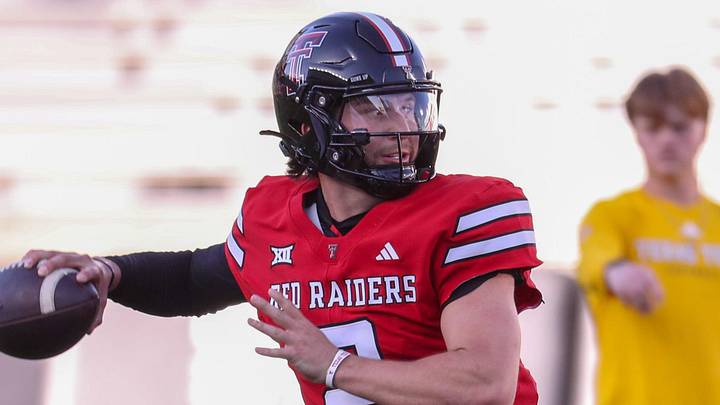
Brendan Sorsby is a victim of sports' toxic partnership with the gambling industry, and his unique situation is going to take the national discussion to new heights over whether that industry should continue essentially unchecked.
The Texas Tech quarterback sued the NCAA on Monday over his 2026 eligibility status, though this is no run of the mill eligibility case. Sorsby is currently undergoing treatment for a sports gambling addiction and claims he should be able to play despite violating the NCAAs bylaws against wagering of any kind.
Sorsby's attorneys claim he will be "irreparably harmed" if the court doesn't grant an injunction against the NCAA's punishment and reinstate their client. The lawsuit also cites the NCAA's "deeply hypocritical" stance on gambling and a "wholesale abandonment of its obligations and duties to promote the well-being" of players like Sorsby. The NCAA claims it has not received a reinstatement request from Sorsby's camp but maintains its position on anti-gambling regulations.
"The Association's sports betting rules are clear, as are the reinstatement conditions," it wrote Monday. "When it comes to betting on one's own team, these rules must be enforced in every case for the simple reason that the integrity of the game is at risk. Every sports league has these protections in place, and the NCAA will continue to apply them equally because every student-athlete competing deserves to know they're playing a fair game."
The NCAA is investigating thousands of wagers Sorsby made as a college athlete, including those he placed on Indiana football when he was a redshirt freshman on the team in 2022.
Brendan Sorsby is going to bring student-athlete welfare to the forefront of the sports gambling debate

Sorsby is in no way innocent here. He clearly violated the rules — including a rule against betting on your own team that has existed about as long as there have been organized sports — and probably won't win his eligibility case on that alone. But his ultimate goal may be much loftier: Fighting for the health and wellbeing of student athletes at the center of the sports gambling issue will make those in power have to reckon with some hard conversations.
Prior to the legalization of sports betting in multiple states, players and coaches obviously couldn't partake in the illicit activity. That requirement remained in place as the leagues and teams who wrote those rules got in bed with sportsbooks for multi-billion dollar business deals over the last eight years.
The answer is not to let athletes and coaches gamble; Sorsby's addiction is a prime example to the contrary. Instead, a moral reckoning is due for the leagues, schools and teams that decided money was more important than the young, impressionable adults in their employ and under their care. Teens and college students are bombarded with advertisements for sports gambling, implying endorsements from the institutions they look to for entertainment and competition every weekend. It's a perpetual cycle of raking in money and then punishing those who choosing to be customers after those adverts did their job. What did the NCAA think was going to happen?
Sorsby's lawsuit has the opportunity to take his unfortunate situation and make it a cautionary tale for those considering wading into the treacherous waters of sports gambling. It will also send a message to the NCAA that it's implied stance of "rules for thee but not for me" is no longer acceptable.
Full divestment from sports gambling is an impossible task, but history dictates that public pressure can always push an institution to a breaking point on any issue. This is no different, but the NCAA's (and sportsbooks') wallet will need to be impacted in a way never before seen.
What form that kind of protest eventually takes, I don't know. But Sorsby's case is teed up to be a launching point. People just need to pay attention, inform themselves and get organized. Sorsby, who transferred from Cincinnati this offseason, cannot currently practice with Texas Tech, and if he were to forego his senior year as a result of an unfavorable ruling he would need to file for the NFL supplemental draft by June 22.
 Add us as a preferred source on Google