
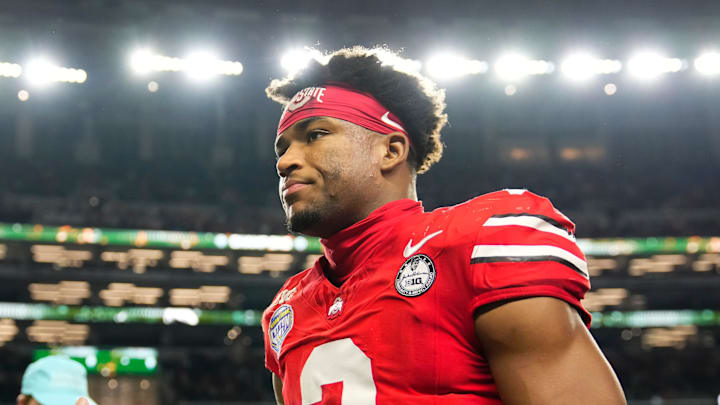
The College Football Playoff has a bye week problem. On Thursday, Oregon toppled Big 12 champion Texas Tech in the Orange Bowl quarterfinal. The Red Raiders earned a first-round bye as the No. 4 seed but that meant they went 26 days without playing a meaningful snap of football.
The Ducks were clearly the fresher team coming off a first round drubbing of No. 12 James Madison at Autzen. Combined with No. 11 Miami's upset over defending champion Ohio State at the Cotton Bowl the night before, six consecutive quarterfinals since the start of the 12-team playoff last year have resulted in a loss for the team receiving a bye.
That much time off clearly has a massive effect. Teams are essentially off for an entire month before having to jumpstart back into their regular season form for the biggest game of their respective seasons.
Five of the six teams that received a bye (and played through this year's Orange Bowl) failed to score a single point in the first quarter of their quarterfinal matchups. Only Arizona State in last year's Peach Bowl was the exception.
The College Football Playoff first-round bye is deciding national championships
The data is clear. A first-round bye in the CFP statistically lowers a team's national championship prospects. Despite having extra time to prepare for the playoff, the excessive layover is anything but an earned benefit.
Oregon was the victim of that curse last season which, ironically, saw Ohio State eliminate the Ducks in the Rose Bowl and go on to win the title. The roles are essentially reversed this year with the Buckeyes exiting prematurely and Oregon taking advantage of the extra game on its schedule to advance to the semifinal.
We are edging closer to every coach in college football complaining about the unfairness of getting a first-round playoff bye
— Dan Wolken (@DanWolken) January 1, 2026
So, how will CFP leadership address a designed advantage that has turned into a clear detriment to the best teams in the country?
It'll likely require adjusting the playoff schedule to start immediately after conference championship weekend (sorry, Army-Navy fans). That way a team which earns a first-round bye would only be off a true week before playing again.
The downside would be that the New Year's Six bowls, which act as hosts for the quarterfinal and semifinal rounds would not be played on or around their namesake holiday any longer. Tradition may be the cost of competitive equity.
Failing to see the best teams in the country actually compete for a national title will eventually catch up to the College Football Playoff. Upsets are cool but at some point the product will suffer if the national champion continues to be a two or, God forbid, a three-loss non-conference champion.
More College Football Playoff news and analysis:
 Add us as a preferred source on Google