
Most of the country has been snowed in over the past week thanks to a blistering winter storm that stretched from New Mexico all the way to the Atlantic coast. To make matters even worse, there’s a threat of more cold weather around the country to end January. When will this end?
We can't do anything about Mother Nature, but if you’re following MLB’s calendar, spring is right around the corner. Pitchers and catchers are just a couple weeks away from reporting for Spring Training, and a milestone on the long road back to warmer weather and the joy of baseball. But it makes you wonder: Why exactly do pitchers and catchers report before everybody else?
Why pitchers and catchers report to Spring Training before everybody else

The short answer is ... well, there’s no real reason. Or at least not one that everybody can agree on. Most of the theories center around pitchers needing more time to get re-acclimated to game speed, which makes a lot of sense when you consider pitchers and the stress they put their arms through each season. Giving them as long a runway as possible to build their arm strength back up is important before embarking on a 162-game season.
This is also a chance to get some of the other arms in the Minor leagues more chances to get some game action and take pressure off the established MLB arms. From that standpoint, it makes a lot of sense to give pitchers more time to get up to game speed after an offseason break; and because there are more pitchers than any other position on a roster, you need the extra time to make sure everyone gets requisite time on the mound.
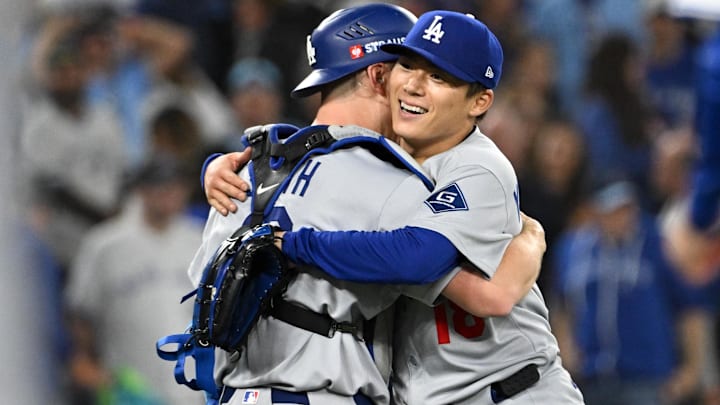
Or maybe it's just that it gives pitchers and catchers a chance to get some early spring work and build that all-important chemistry before games get going. It’s one of the most unique relationships in all of sport, as the two have to be in sync. Getting that early work in will pay dividends once the real games get going.
What pitchers, catchers do during the first days of Spring Training

The most important thing they do is build chemistry. During that time, you’re getting extended bullpen sessions with catchers, and that helps you build that rapport and a relationship for the season to come. Anything from specific pitch calls to just learning how everyone likes to work can go a long way toward success.
Spring Training is also a time for catchers to learn the tendencies of each individual pitcher. Reporting early gives them extra reps they usually won’t get during Spring Training games, when most starting pitchers won’t go more than three innings. The extra bullpen time can help clean things up before game action and the regular season starts. (Imagine if the first time a catcher catches a pitcher is during the first games of spring, and they may not see them again toward the end of Spring Training.)
How early reporting affects Opening Day rosters and rotations
The biggest reason early reporting is important for evaluation is because there are a lot of pitchers to comb through. If coaches and managers could only evaluate everyone once the full team reports and during spring games, they’d never get enough time to truly see who should be sent where. Obviously everyone isn’t going to make the Opening Day roster. But how do you decide who gets into the back of the rotation and who goes to the bullpen?
That extra week is nothing but pitching and catching, so you get a very good idea of who the strong arms are, who are going to be bullpen guys and who’s not quite ready for the MLB roster yet.
It also means coaches get a chance to get guys more innings during Spring Training, because wins and losses are useless. They can let borderline rotation guys go longer to see how they handle adversity or get a young arm some MLB-level experience before sending them to the Minors for more reps.
The week pitchers and catchers report for spring training isn’t just about getting extra reps, but it’s about roster building. You can’t evaluate what you don’t know you have. Getting your arms to come in early can generate hype around the season, while giving you an early look at how you want to approach Spring Training. It could end up being the difference between scrambling and having an organized game plan for the year.
More MLB Spring Training news and analysis
 Add us as a preferred source on Google