
In theory, we're just four months away from the 2026 WNBA Draft. But ongoing CBA negotiations have seemingly put everything from the calendar to the continued existence of the league in jeopardy. After an initial deadline of Oct. 31, the WNBA and Women’s National Basketball Players Association (WNBPA) have extended their CBA negotiations not once, but twice, with the new deadline set for Jan. 9, 2026.
Neither party is a stranger to prolonged deliberation — the current CBA was finalized in January 2020 after months of talks through 2019. Yet, the current negotiations come at a time when women’s professional basketball is at the height of its modern popularity. The 2025 regular season was the most watched in history, and the finals were the most watched in 25 years. Ticket prices are surging, five new franchises are set to join the league by 2030, and teams are hitting record high valuations.
Consequently, current CBA negotiations have a lot more at stake than just salaries: they mark a turning point for players to codify their worth and secure equitable treatment. This process starts with revenue sharing. As it stands, the salaries of all NBA players are tied to BRI (basketball-related income), which includes things like ticket sales, merchandise, broadcasting rights, advertising deals, even concessions. Around 50 percent of NBA’s BRI goes to the players, while WNBA players currently receive very little — around 9 percent.
Consequently, WNBA players do not reap the rewards of the league’s success to the same extent as their male counterparts, which seems to imply that these players are not as valuable to the overall success of their league. A significant increase in revenue sharing would not only boost player salaries but also signify the recognition of player’s outsized role in legitimizing the league.
WNBA players are looking for revenue and respect
Revenue is only half the battle. The CBA is a central piece of determining how players are treated off the court. Until 2024, for example, the WNBA did not provide athletes with chartered flights. While cost-saving measures often prevailed over calls for improving player recovery and well-being, this change was largely motivated by Britney Griner’s perilous detainment in Russia during the 2023 season, as she had been flying on a commercial flight. Griner’s experience signaled loud and clear that chartered flights weren’t simply measures to pamper professional athletes, but instead ones to protect them.
Though the league was late to providing players with chartered flights, they have provided players with housing since the first CBA was enacted in 1999. Players across teams have the option to live in league funded apartments or claim a housing stipend. The stipend varies per team, as the cost of living varies per city, but most allow for a modest one-bedroom apartment, or a two-bedroom one if the player is raising a child.
The league’s most recent proposal slashes this support, suggesting that bigger pocketbooks mean increased bandwidth for finding and securing housing. Players have pushed back against this change, suggesting that housing stability is a matter of respect and fair treatment, especially in a league that has employed players who are working full-time as elite athletes and as parents. Solidifying housing as a non-negotiable element of the contract would effectively center player well-being and represent a step toward structural equity.
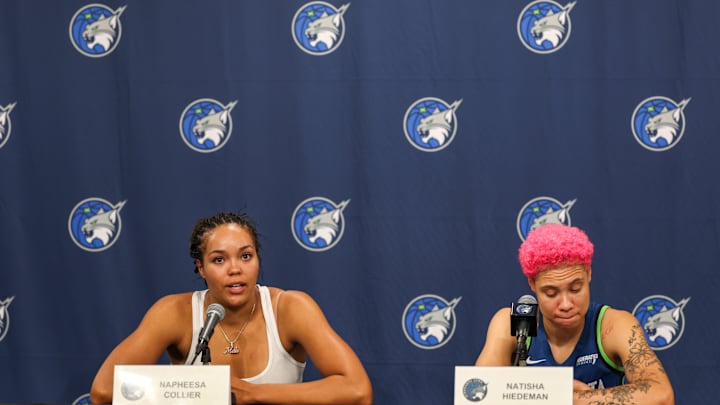
And that's not the only non-salary sticking point. Players have pushed for changes with officiating, accountability from the league and its executives and more. Napheesa Collier set the stage with her inflammatory press conference in September, calling out WNBA commissioner Cathy Engelbert and shared some extremely troubling comments from the commissioner. She made clear that this is about respect, at every level.
And as negotiations continue, we must consider not only what players should earn, but what they are owed.
More WNBA news and analysis:
 Add us as a preferred source on Google