
Key Points
Bullet point summary by AI
- Illinois and Michigan aim to end the Big Ten's 26-year NCAA title drought in Indianapolis this spring.
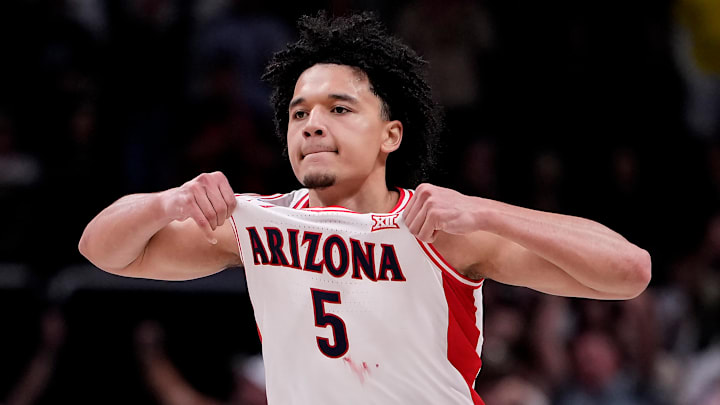
- Arizona seeks its second title since 1997 to solidify its place among college basketball's elite programs.
- UConn can achieve an unprecedented third championship in four years, marking a historic dynasty run.
March Madness is headed for Indianapolis for the Final Four as Illinois, Arizona, Michigan and UConn are still dancing in search of a national championship. We got to see some long Final Four droughts snapped this year, which is always fun, but there is still work to be done for each team chasing a title.
We didn't quite get an all-Big Ten Final Four, but Illinois and Michigan remain in pursuit of the conference's first title since Michigan State cut down the nets in 2000. Arizona's breakthrough means a lot for Tommy Lloyd, who is trying to win his first title and help the Wildcats snap a 30-year drought, while Dan Hurley and UConn can head towards dynasty territory with a third title in four years. Let's take a deeper look at what a championship means for each Final Four participant.
What a national championship would mean for Illinois

The Fighting Illini are back in the Final Four for the first time since 2005, when the tremendous squad led by Deron Williams, Luther Head and Dee Brown went 37-1 before falling to North Carolina in the national championship game. That team represents the pinnacle of Illinois basketball, which has been a reliable tournament presence since the 1980s but hasn't won a national championship.
The program does claim a national title in 1915 after a retroactive ranking from the Helms poll, but that doesn't carry much water since the exploits of Sven Duner and his 16-0 Fighting Illini were rewarded by a committee instead of on the court. Being able to hoist a national championship banner in Champaign would be a nice culmination for Illinois to join the ranks of Big Ten programs with a national championship, a club that they should have been in back in 2005.
Brad Underwood's recruiting strategy will also receive more attention if Illinois wins thanks to the presence of the Balkan Block, a group of players recruited from the Balkans that have been anchors in the Fighting Illini lineup. Players like David Mirkovic and Tomislav Ivicic have been traditionally under-recruited as most coaches focus on the transfer portal or American high schoolers, so a win for this group could lead to more collegiate opportunities for talented international amateurs.
What a national championship would mean for Arizona
The Wildcats haven't reached the title game since 2001, when they lost to a Duke team led by Jay Williams and Shane Battier, and haven't won it all since 1997. That squad marks the last team west of the Mississippi River to win the NCAA Tournament, a run that Arizona would love to break to remind the country that there is important college basketball being played out west.
Tommy Lloyd, who has drawn frequent links to North Carolina's open head coaching job, could also set himself up nicely for his future with a championship run for Arizona. There has been criticism of Lloyd, a longtime assistant under Mark Few at Gonzaga, for failing to get the most out of his teams with the Wildcats but he can bury those complaints for good by cutting down the nets in Indianapolis.
A title for the Wildcats would also help their argument to join basketball's blue blood club, a spot they would warrant based on achievement with their regular deep runs in the NCAA Tournament. Lute Olson's title in 1997 remains the only one Arizona has so adding a second could merit further discussion about the Wildcats' place among the great college programs in the country.
What a national championship would mean for Michigan
Like Illinois above, Michigan's first objective by winning a national title would be to snap the Big Ten's lengthy NCAA Tournament title drought. Being the team to snap the streak would mean a lot for Wolverines' fans, who would no longer have to listen to Michigan State supporters point to themselves as the conference's flag bearer with their title in 2000.
Dusty May could also cement himself in the upper echelon of college coaches with a title for the Wolverines, who were considered to be one of the most dominant teams in the regular season. The surprise Final Four run with Florida Atlantic in 2023 put May in the spotlight but locking up a title before he turns 50 in December would give him a long runway to make a push for the Hall of Fame.
Getting a title would mean a lot for Wolverines' fans as well, who have watched their team be the runner-up six times since 1985. Steve Fisher's 1989 team is the only Michigan side to cut down the nets in the end, so adding a title here would be a long-overdue second championship for a program that has produced plenty of NBA talent over the years.
What a national championship would mean for UConn
The stakes are a bit higher for UConn, not because they're riding a long drought like the others, but because they are a year removed from completing back-to-back national championship runs. The Huskies have been lethal when they reach the Sweet 16, winning 18 consecutive games in the NCAA Tournament when they get this far, with their last loss in this stage coming in the 2009 Final Four to Michigan State.
Extending that win streak to 20 games would mean the Huskies would have a third title in four years, a run of dominance that hasn't been seen since the tail end of John Wooden's UCLA dynasty. Traditionalists have made an argument that UConn isn't a blue blood since they didn't start their winning until Jim Calhoun revived the program in the 1980s, but they wouldn't be able to argue about the Huskies' status with a third title in four seasons.
The bigger legacy jump would come from Dan Hurley, who would join an elite list of coaches with more than two national championships: Wooden, Mike Krzyzewski, Adolph Rupp, Roy Williams, Calhoun and Bob Knight. That is an elite list of coaches and Hurley would put himself into the conversation for greatest college basketball coach of all time with a third title for the Huskies.
More March Madness news and analysis:
 Add us as a preferred source on Google