
Key Points
Bullet point summary by AI
- Texas Tech QB Brendan Sorsby faces a Big 12 eligibility dispute after the NCAA's gambling suspension was legally overturned.
- Texas AG Ken Paxton warns the league faces legal liability if it punishes Tech, while Oklahoma AG Gentner Drummond urges a suspension.
- This standoff tests whether college athletic conferences still hold autonomous authority to govern and discipline member schools.
The Big 12 could be the last bastion of accountability in college football, but the contradictory nature of the U.S. legal system is threatening to prevent the conference from carrying out justice. Multiple state attorneys general, the top law enforcement officers, are offering conflicting assessments over what commissioner Brett Yormark is allowed to do since a Texas judge overruled the NCAA's suspension of the 22-year-old.
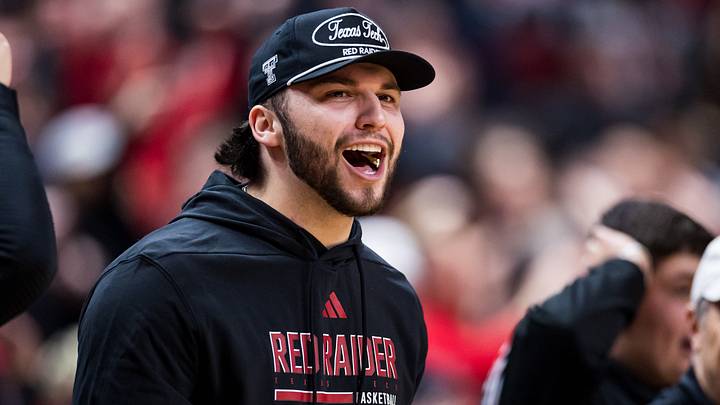
Texas Tech quarterback Brendan Sorsby is the source of controversy over his newly granted eligibility despite admitting to grossly violating NCAA anti-sports gambling rules. Big 12 schools are actively pushing the conference to punish Texas Tech for allowing Sorsby to play this season, citing conference bylaw 3.6 which permits the league to impose penalties related to postseason eligibility and more.
However, Texas Attorney General Ken Paxton wrote to Yormark on Thursday warning the conference would be exposed to "substantial liability" if it were to sanction the Red Raiders in any way.
"We are aware that the Big 12 is considering invoking Bylaw 3.6 of the Big 12's Bylaws to sanction Texas Tech for respecting the Order and continuing its support of Mr. Sorsby as a student-athlete," he wrote. "This letter serves to notify the Big 12 that any such action would be unlawful and would expose the Conference to substantial liability."
On Friday, Oklahoma Attorney General Gentner Drummond directly refuted Paxton's assertions, calling them "meritless" and "facially absurd." He also went a step further and actively called on the conference to suspend Sorsby.
"[Texas Tech's] actions in obtaining eligibility for Brendan Sorsby—an athlete the NCAA declared permanently ineligible for extensive wagering on college sports, including games involving his own team—have constituted a shameful chapter in the story of college football," Drummond wrote. "Texas Tech has acted in a manner adverse to the Big 12 and the integrity of college football as a whole."
The at-odds legal assessments feel like another chapter in the Texas-Oklahoma rivalry despite both schools' athletic programs departing the Big 12 to compete in the SEC in 2024. Of course, four different Texas-based universities and Oklahoma State are members of the conference.
Can the Big 12 punish Texas Tech and Brendan Sorsby?
The Big 12 has a major decision to make. A state judge ordered Sorsby can remain eligible to play as he sorts his legal situation with the NCAA, but his participation directly contradicts the precedent set by punishments handed down to student-athletes caught sports gambling. If the conference decides to sentence Sorsby and Texas Tech in the absence of NCAA authority, it will be walking into a potentially fierce legal standoff.
Bylaw 3.6 was written for this very reason, but it's never been directly contradicted by the judiciary, as the conference is a private entity. This is unprecedented territory for the authority of college football's governing bodies. Fighting the state attorney general would be a lengthy and likely expensive endeavor.
The conference is based in Irving, TX, which leaves it squarely in Paxton's geographic jurisdiction. There may not be anything Drummond can do about a potential case unless it reaches the federal level (filing an amicus brief in support of the Big 12). Should such a case reach that level, the remaining Power Four conferences may have to get involved to protect their own autonomy.
Additionally, the Big 12 has a lot of business tied to the state of Texas. The conference's football championship game is played at AT&T Stadium. Paxton—or potentially his successor as he's running for U.S. Senate—could make life very difficult for the conference. There's a lot to consider before deciding whether this is a hill worth dying on.
It's unclear what liability the Big 12 would be exposed to, however, as Paxton referenced generic antitrust violations. It could be argued the party that sues the conference over a suspension or sanction against Sorsby or Texas Tech would have to prove Bylaw 3.6 violates the judge's order, which, notably, was directed only at the NCAA.
"[Paxton's] letter's citation to generic propositions of antitrust law holds no weight," Drummond added in his letter. "If Texas Tech pursues such claims, they will fail."
A decision against the Big 12 would potentially open the door to the notion that the NCAA and conferences have zero grounds to govern schools. Authority without enforcement is no authority whatsoever.
Sorsby's legal situation won't be resolved until February 2027 at the earliest, as that's when Texas's 99th District scheduled his trial against the NCAA. He may or may not have participated in the 2026 college football season at that point. Whatever happens, this standoff is far from over, and it appears it may go beyond Sorsby and Texas Tech.
More college football news and analysis:
 Add us as a preferred source on Google