
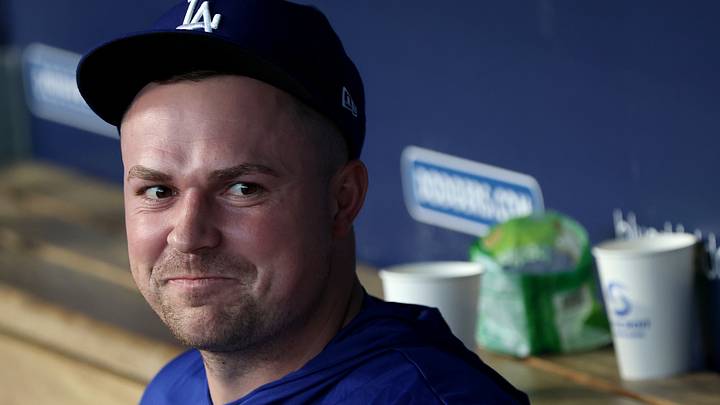
The Los Angeles Dodgers have become the face of the brewing labor war between the MLBPA and the league's owners; dropping over a billion dollars over the span of a couple offseasons and then winning two consecutive World Series titles will do that. And when L.A. tried to boost its three-peat efforts by trading for arguably the best pitcher in the world, Tarik Skubal, it only further cemented the inevitability of a lockout — and, in the eyes of many fans, the necessity of a salary cap to try and reinstitute something like competitive balance.
But ironically enough, the Skubal trade has offered a perfect object lesson in why a cap won't actually solve the problems fans in smaller markets are (understandably) complaining about.
As reported by Bob Nightengale of USA Today on Sunday, Skubal has been blown away by just how advanced the Dodgers' operation is since coming over at the trade deadline. "I can’t believe how big that is," Skubal said, in reference to the size of the team's home clubhouse. "I went to look for the hot tub, and wound up in the batting cage."
And that, more than anything else, represents the Dodger difference — what has them head and shoulders above the rest of the league, and what will keep them there no matter what the sport's economics look like.
The Dodgers have advantages that go well beyond a salary cap

After all, Skubal is set to become a free agent this winter. The Dodgers didn't pry him from the Detroit Tigers because they had the most money; they did it because they're a player development machine that had top prospects to spare.
And they became that machine by spending a whole lot of money — money that doesn't have to answer to any sort of salary cap. Los Angeles has outspent its competition on facilities, player treatment and every other ancillary part of being a professional baseball team in the year 2026. It's no coincidence that they churn out homegrown talent as well if not better than any other organization in the league, so much so that high-priced free agents like Kyle Tucker and Edwin Diaz can go bust without tanking their championship hopes.
Skubal spent nearly a decade with the Tigers, hardly a laughingstock of an organization under Scott Harris. They've done just fine in terms of drafting and development, and their payroll ranks in the top half of the league this season. And yet the difference between Detroit and the Dodgers is so vast in terms of resources and infrastructure that Skubal still can't help but be amazed.
That gap isn't going anywhere; it's not like Bob Nutting will pour millions more into facilities and academies overseas in a salary cap world. Which means the Dodgers will continue to have a talent and development advantage — and players will still want to play for the most successful team in the sport, one that offers a glamor market with all the amenities a professional athlete could possibly want. There's a lesson in that, even if it's not the one Rob Manfred wants fans to learn.
MLB's upcoming lockout isn't really about competitive balance

Manfred and the league have been crystal clear in their various proposals over the last few weeks: The game's parity is broken, and only a cap can fix it. And sure, it's true that the institution of a salary floor will drag the league's poorest clubs toward relevance.
But there's much more to being the Dodgers than spending on salary; if there weren't, they wouldn't be so far above ostensible peers like the Yankees, Mets and others. A salary cap won't have anything to do with small-market clubs like the Pirates and Marlins investing more in development and becoming enticing free-agent destinations. But it will allow franchise values to explode, which more than makes up for whatever money is going out the door in extra payroll.
 Add us as a preferred source on Google