
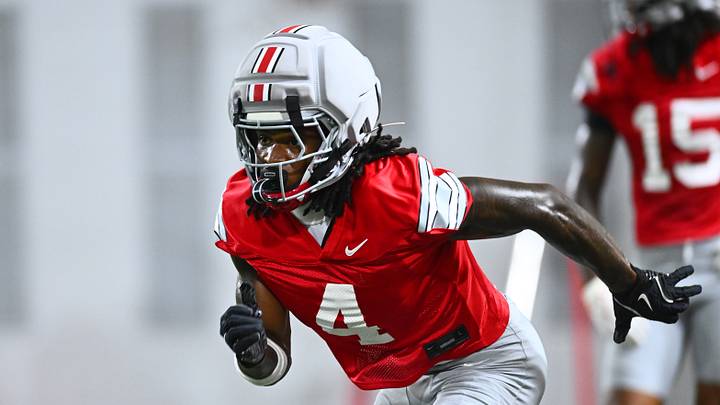
A new college football season is upon us, and it seems like the sport returns each fall looking more and more different from the version that existed just a few years ago. One of those changes might have been immediately apparent and you sat down to watch a game this weekend: Yes, jersey sponsorships have officially come to the collegiate ranks.
It first made an appearance last year, when LSU slapped a Woodside Energy patch on its practice jerseys for spring and fall camp. This summer, however, is when it well and truly exploded — including blue bloods like Ohio State and Notre Dame striking multimillion-dollar deals with huge brands. Dozens of programs have taken the leap in time for 2026, as college football's never-ending arms race forces administrators to say yes to every revenue stream they can get their hands on.
Here's everything to know about the sport's latest trend, and which companies are sponsoring which teams this season.
Why college football is suddenly going ga-ga for jersey sponsors
On first glance, the answer seems pretty obvious: It's the money, stupid. But college football has always been a heavily capitalistic enterprise, no matter how much various NCAA officials have tried to convince us otherwise. So why now? Why have the number of jersey patches on the field in regular-season, power-conference games gone from zero to more than 30?
Well, put simply, because it's never been more expensive to be in the big-time college football business. On the one hand, athletic departments continue to pour money into facilities upgrades and ballooning staff salaries, out of both self-interest and a belief that it's what's needed to keep from falling behind. Add in the financial pressure introduced by NIL and the transfer portal, in which athletes can finally be paid what the market will bear above the table and the biggest programs are spending north of $30 or $40 million on their rosters, and you've got a perfect storm — one that needs to be paid for somehow, some way.
And there are fewer and fewer avenues for ADs to explore. There isn't much more money to squeezed out of ticket and television revenue, after all. So schools are now slapping advertisements on every spare square inch of space they can get their hands on, up to and including uniforms.
Is it all a bit gross? Absolutely. Will it make for a weird sight on fall Saturdays? You bet. But at least some of them appear to be having some regional fun with their choice of sponsors.
Every major college football jersey patch deal for the 2026 season
Team | Sponsor |
|---|---|
Arkansas | Tyson |
Army | USAA |
BYU | Entrata |
Cincinnati | Jeff Wyler Automotive Family |
Florida State | Kin Insurance |
Georgia Tech | Veritiv |
Illinois | Busey Bank |
Kansas State | Ripple |
Louisville | L&N Federal Credit Union |
LSU | Woodside Energy |
Memphis | FedEx |
Michigan State | MSU Federal Credit Union |
Missouri | Ambetter Health |
Notre Dame | SoFi |
Ohio State | JPMorganChase |
Oklahoma State | Osage Nation |
Pitt | UMPC |
Tennessee | First Horizon Bank |
Cal | Dialpad |
USF | Tampa General Hospital |
Utah | University of Utah Health (jerseys), Alkeme (helmets) |
Vandy | SRM Concrete |
Washington State | Confederated Tribes of the Colville Reservation |
West Virginia | Antero |
Wisconsin | Culver's |
Ohio State and Notre Dame, true to form, lead the pack here — partnering with major national financial institutions for loads of money. One tier down, you find the sort of regional affiliations you'd expect, from the mundane (lots of hospitals systems) to the amusing (Culver's should sponsor Wisconsin until the end of time).
And this trend shows no sign of slowing down. After all, once some programs take the plunge, others will feel pressure to follow. It feels like only a matter of time before other big boys like Texas, Alabama and USC join the club; all those splashy transfers won't pay for themselves, after all.
 Add us as a preferred source on Google